

Bratislava’s UFO Tower Turned Green for Abortion Rights
For years, September 28 has marked International Safe Abortion Day, a day that reminds us access to safe abortion care is a fundamental right, not a privilege. This year, Slovakia joined in marking the occasion as well.
🇸🇰 How does Slovakia compare?
Although abortion is legal in Slovakia, getting one here is actually harder than almost anywhere else in Europe. Women face a number of barriers: a mandatory 48-hour waiting period, a restrictive 12-week limit, the high cost of the procedure, and no access to medicated abortion, which is a standard part of care in many other countries. In some regions of Slovakia, no healthcare facility performs abortions at all, so women have to travel tens or hundreds of kilometres to endure the procedure.
International institutions have repeatedly pointed to these barriers in Slovakia. Most recently, we highlighted them ourselves, together with our partner organisation Intymyta, in a shadow list of issues submitted to the UN Committee on Economic, Social and Cultural Rights.
💚 A Green Light for Women’s Rights
To mark this year’s International Safe Abortion Day, the Center for Reproductive Rights organised an international campaign joined by cities and institutions across Europe. Buildings were lit up in green, the colour associated worldwide with the abortion rights movement.
Participating cities included Barcelona, Brussels, Dublin, Edinburgh, Geneva, Paris, Zagreb, Yerevan and others, along with institutions such as Trinity College Dublin and the Royal College of Obstetricians and Gynaecologists (RCOG) in London.
In Slovakia, Bratislava took part by lighting the UFO tower in green. On this occasion, our statutory representative, Adriana Mesochoritisová, said:
“To mark International Safe Abortion Day, Bratislava’s UFO is lighting up green, because access to abortion in our country is among the worst in Europe. Slovakia must finally start taking women’s health seriously.”
Organisations and public figures involved in the campaign abroad shared a similar message. Leah Hoctor, Vice President for Europe at the Center for Reproductive Rights, said that with this gesture, cities are sending a powerful message of support, hope and solidarity to everyone who needs abortion care. Dr. Alison Wright, President of the RCOG, emphasised that high-quality abortion care is an essential part of sexual and reproductive health. French organisations Le Planning Familial, MdM France, Equipop, Ipas and Amnesty France pointed out that at a time when anti-gender movements are gaining ground across Europe, providing this care is also an act of resistance.
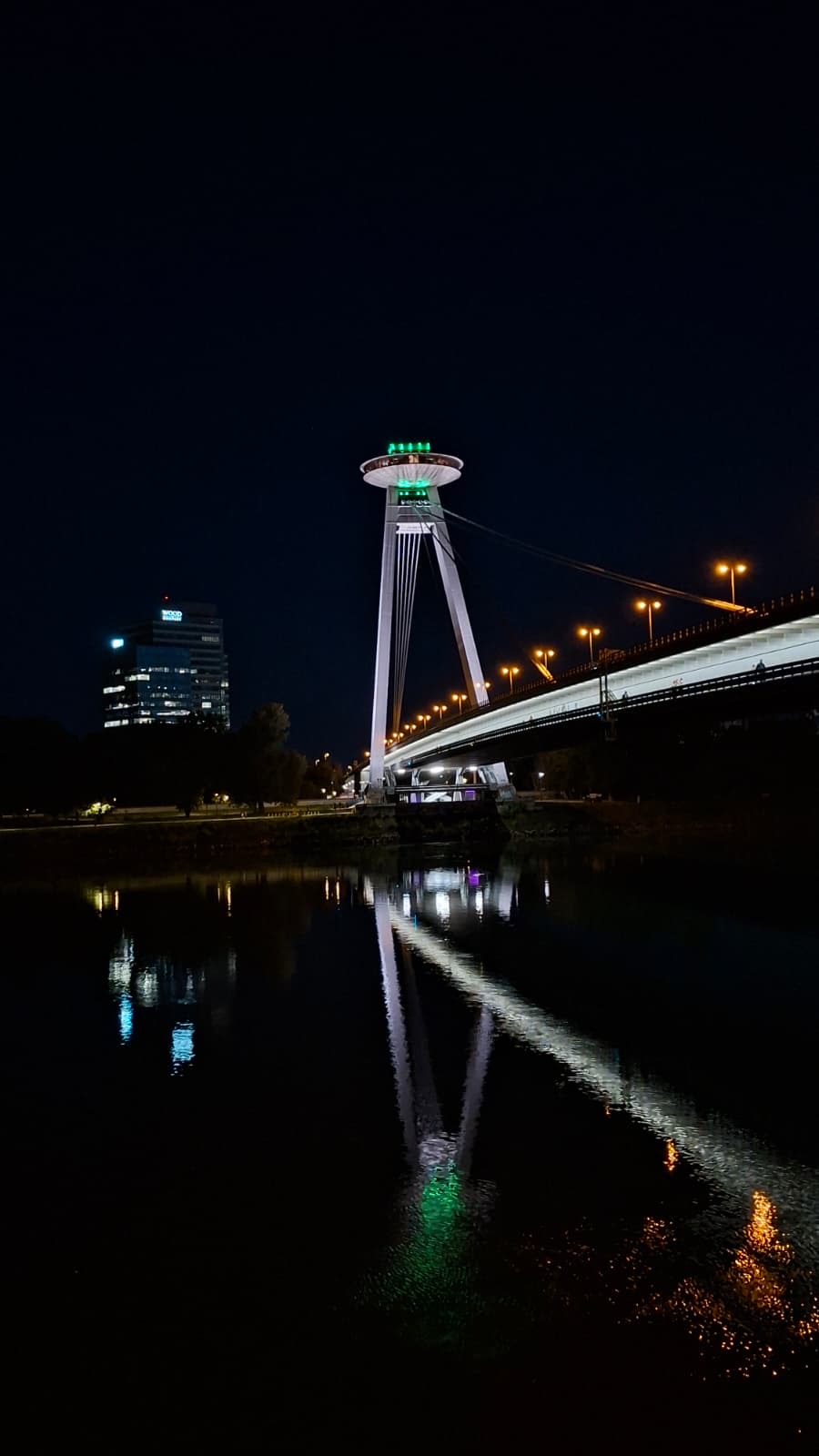
UFO, Bratislava. Photo credit: Freedom of Choice
❓ Why It Matters?
Even though the long-term trend in Europe and around the world has been towards liberalisation (more than 60 countries have liberalised their abortion laws over the past thirty years), progress can’t be taken for granted. The United States is a case in point: since Roe v. Wade was overturned in 2022, access to abortion has been severely restricted in many states.
Slovakia remains among the countries where real barriers to abortion care persist. We believe events like this international lighting of buildings help keep the issue in the public conversation and remind us that behind a simple gesture are real women who are still waiting for change.
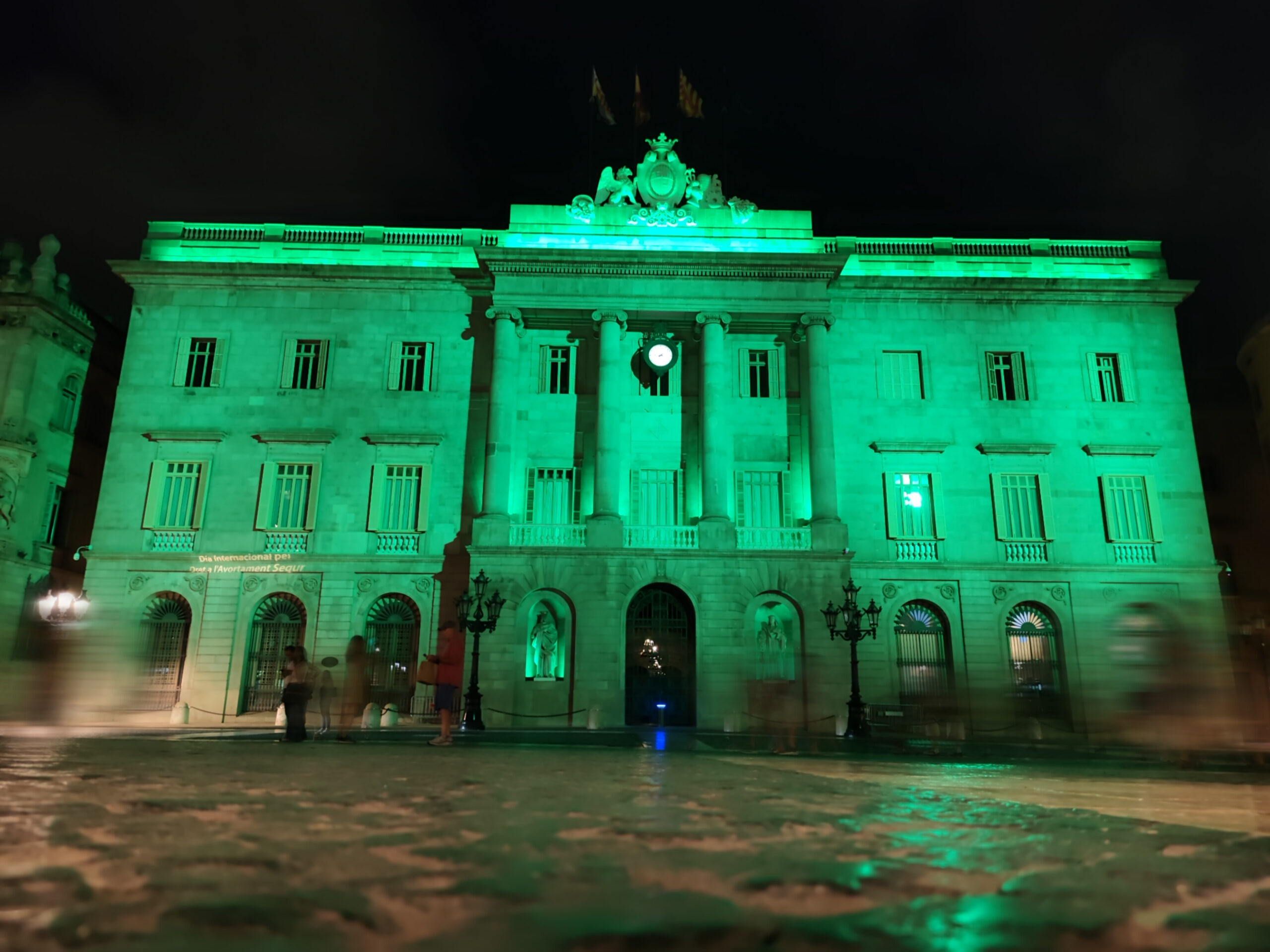
City Hall, Barcelona. Photo credit: Fabiola Llanos
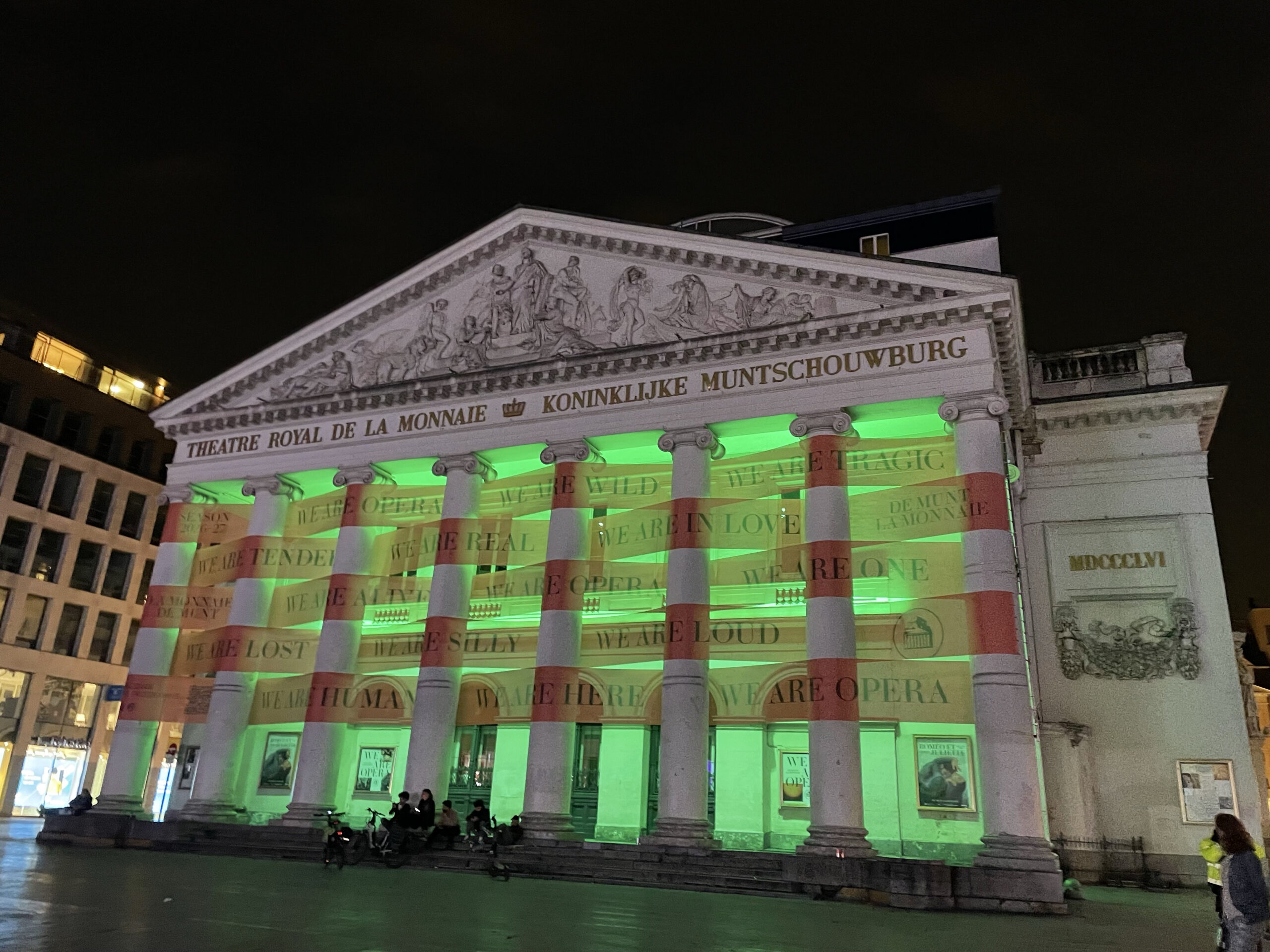
La Monnaie, Brussels. Photo credit: Senada Sali Center for Reproductive Rights
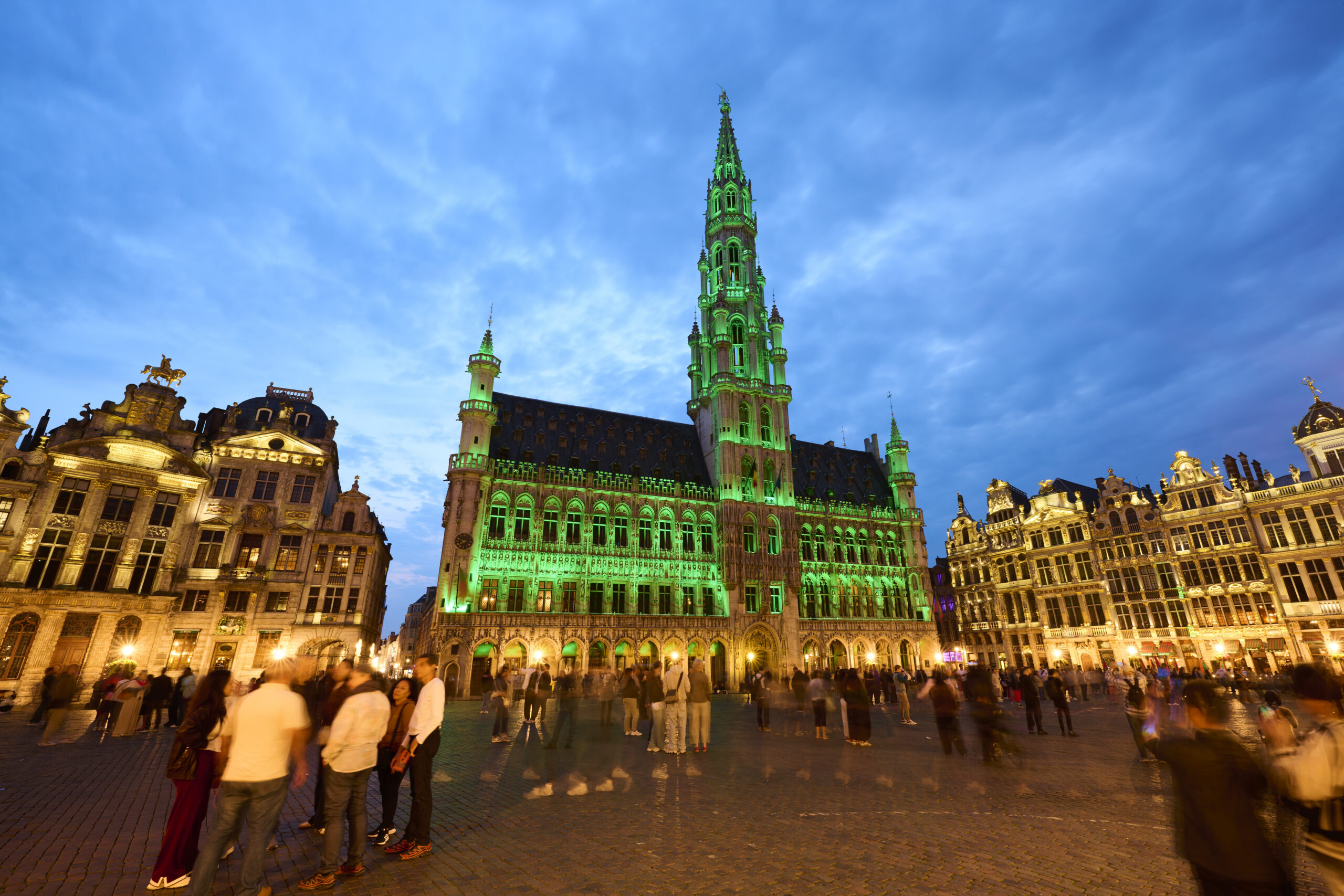
Hôtel de Ville, Brussels. Photo credit: Yvan Glavie
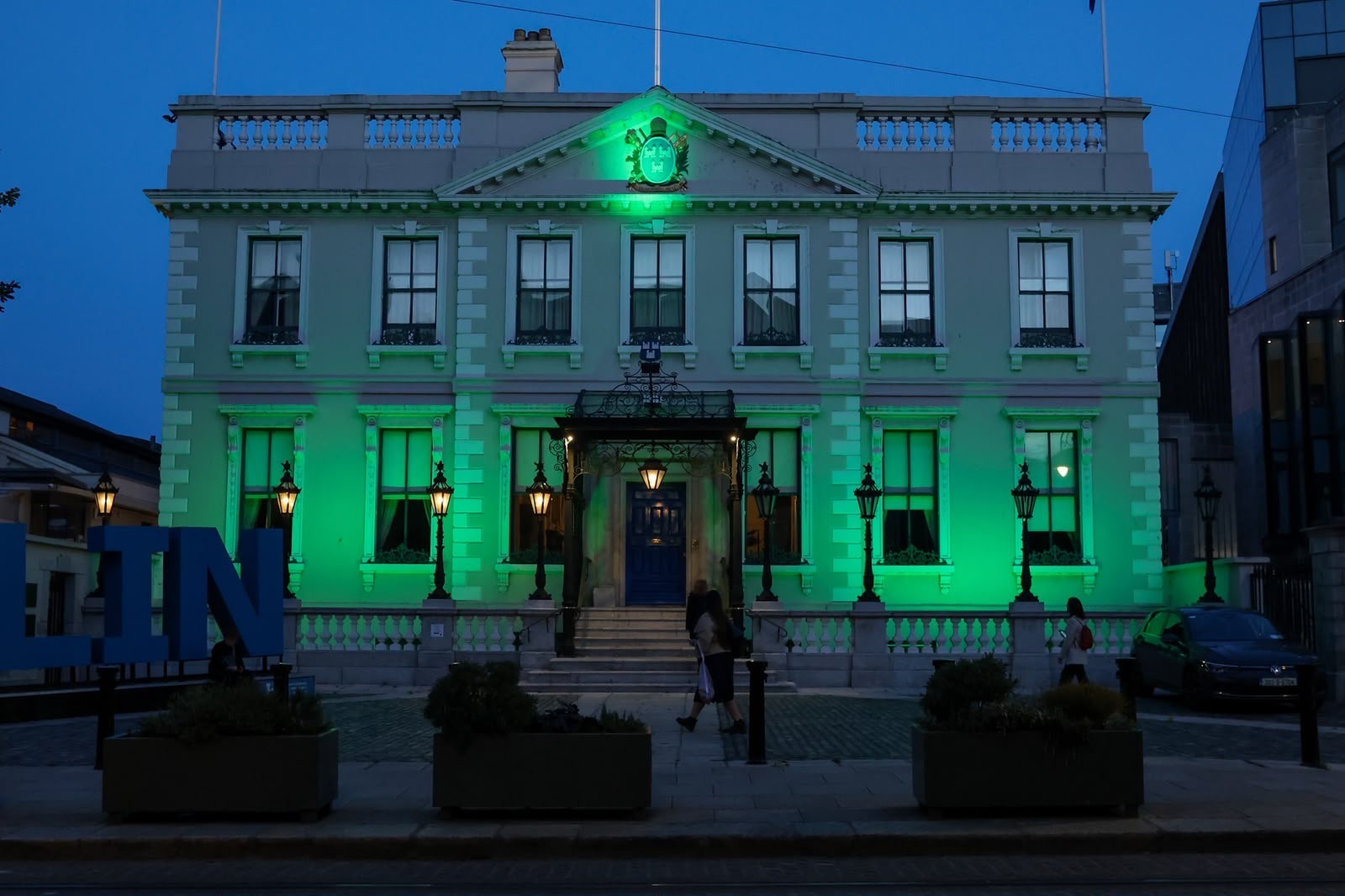
Mansion House, Dublin. Photo credit: National Council of Women Ireland
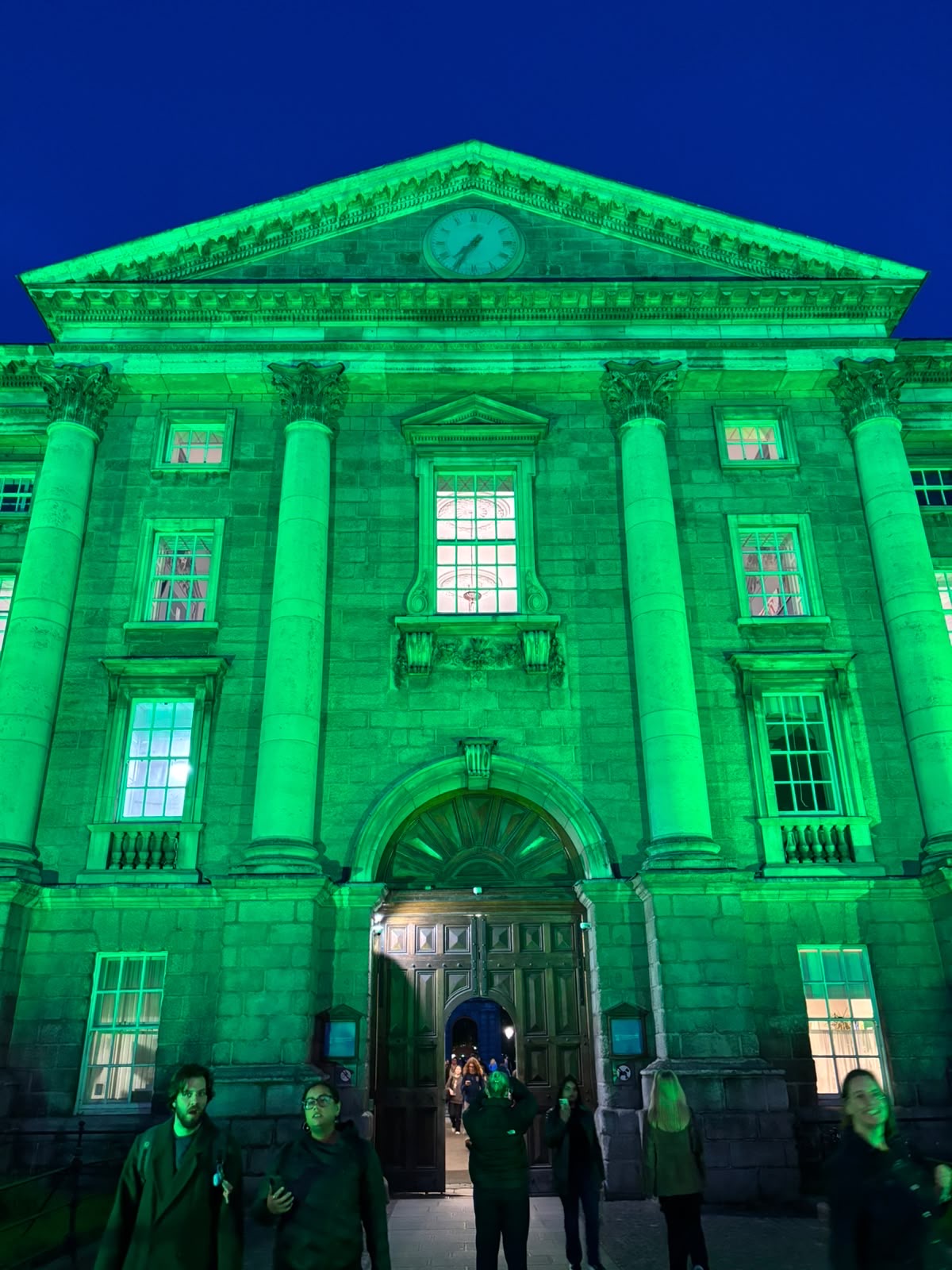
Trinity College, Dublin. Photo credit: National Council of Women Ireland
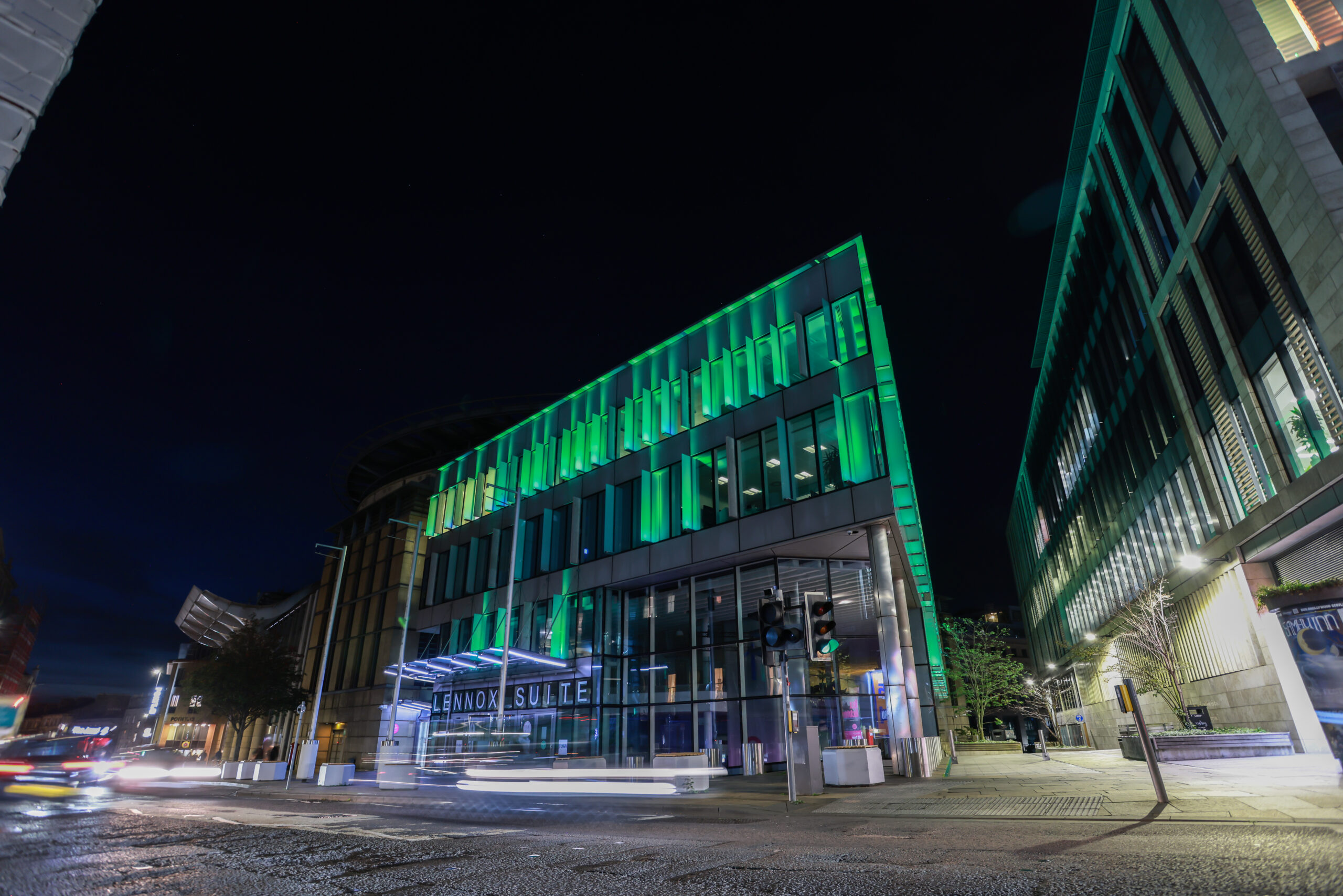
EICC, Edinburgh. Photo credit: ErikaStevenson
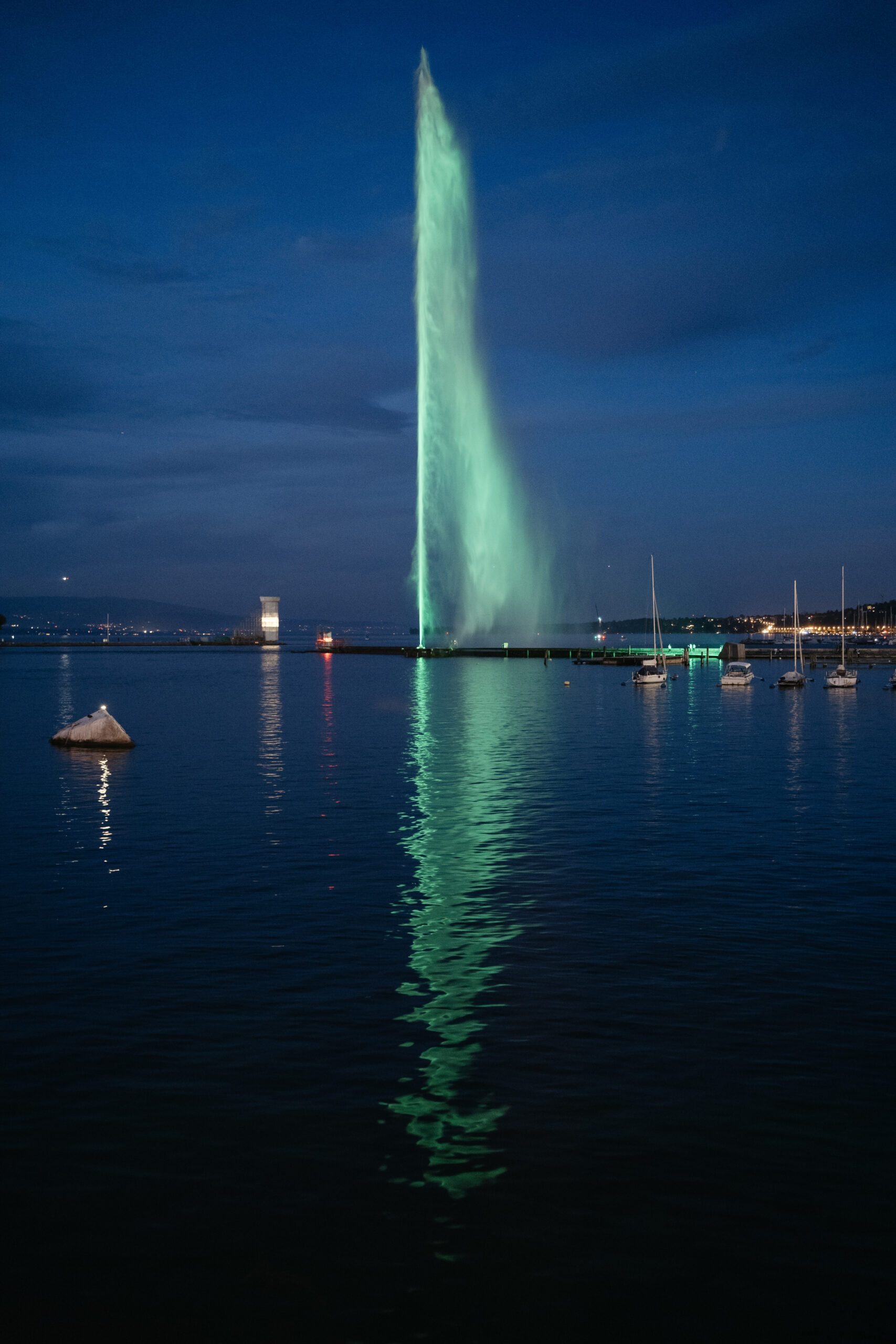
Jet d'Eau, Geneva. Photo credit: Emeric Caron

RCOG, London. Photo credit: RCOG
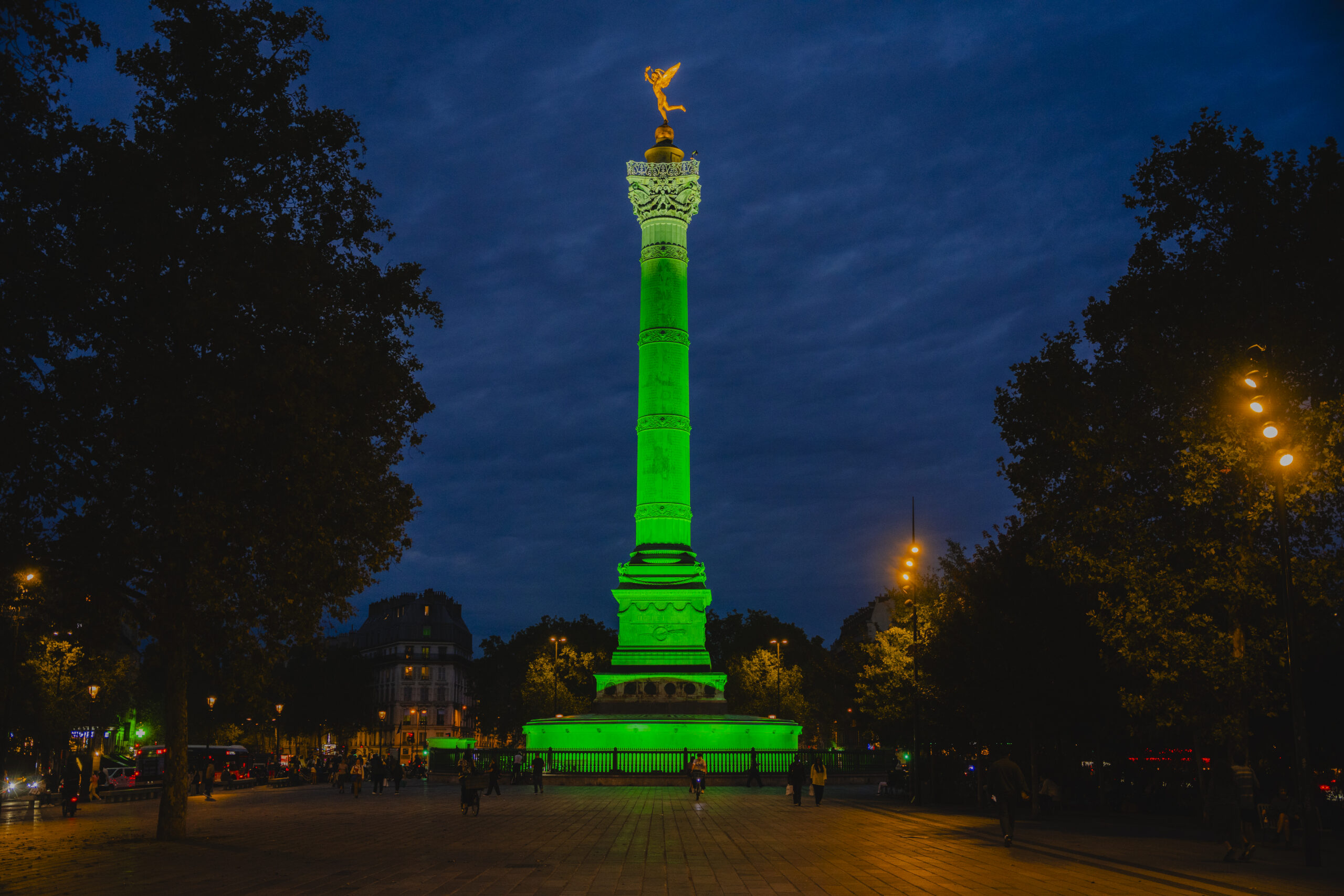
July Column, Paris. Photo credit: Laurie Bisceglia
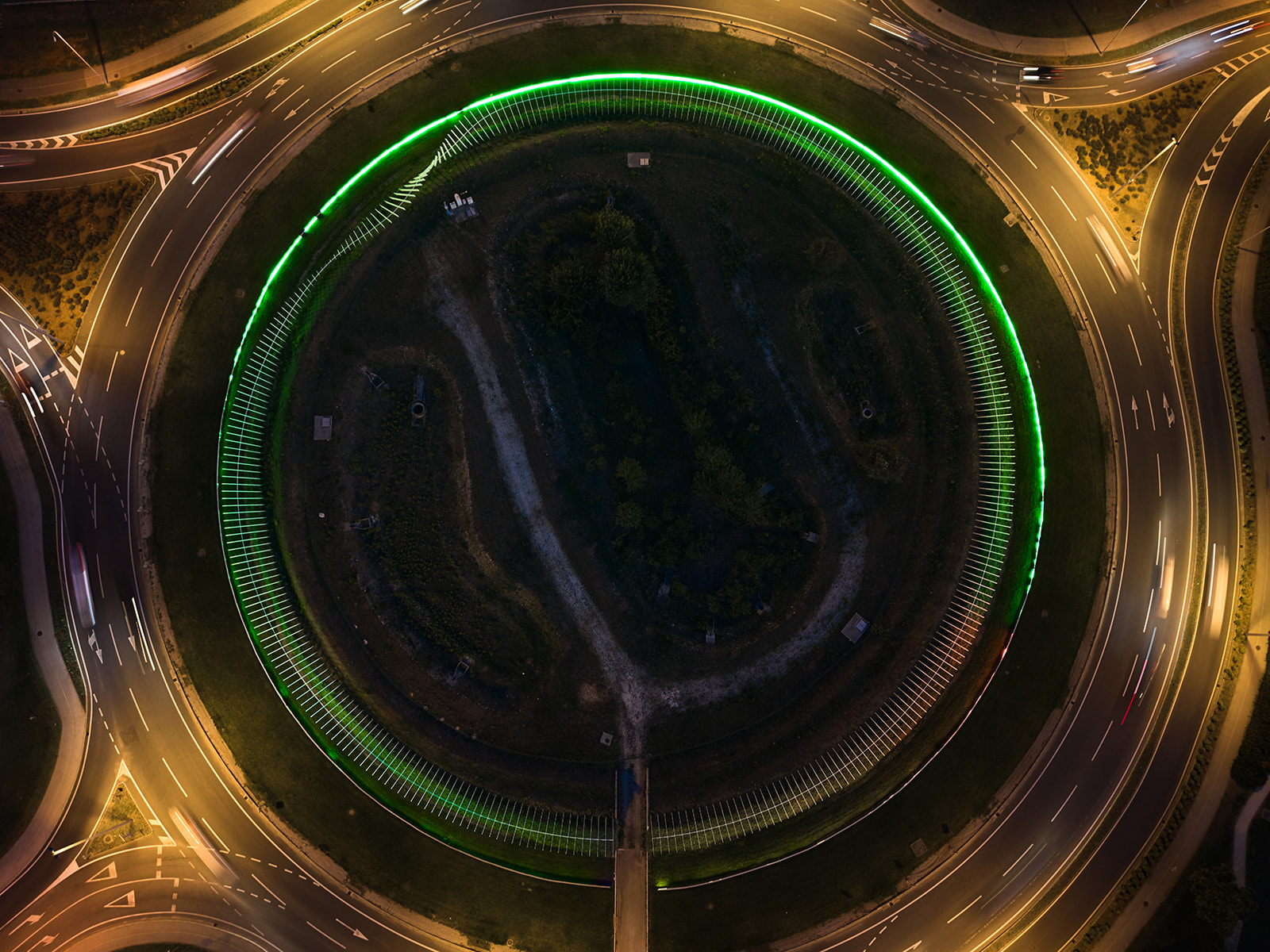
Sijana Roundabout, Pula. Photo credit: Tea Stokovac
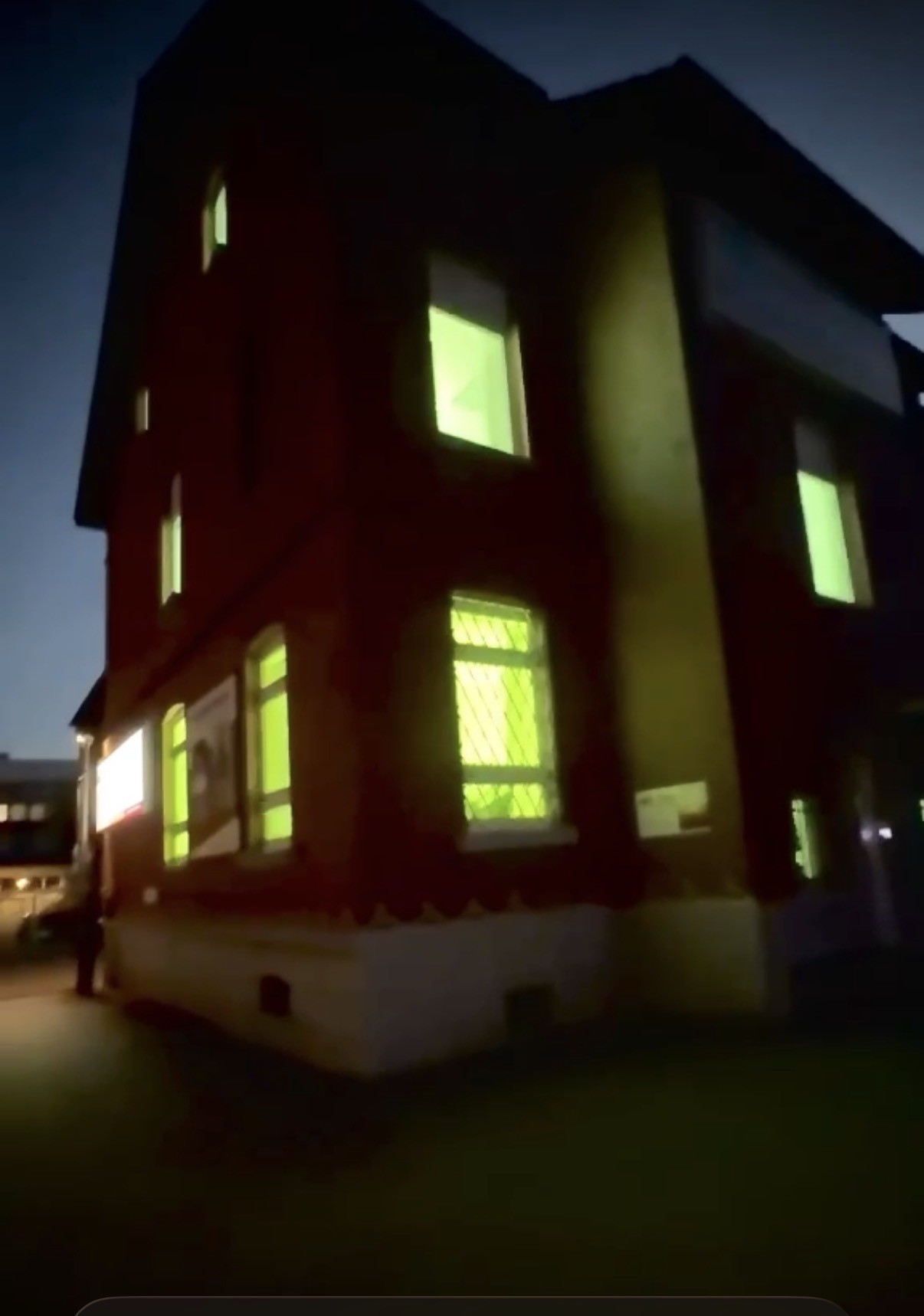
ProFamilia offices, Recklinghausen. Photo credit: ProFamilia
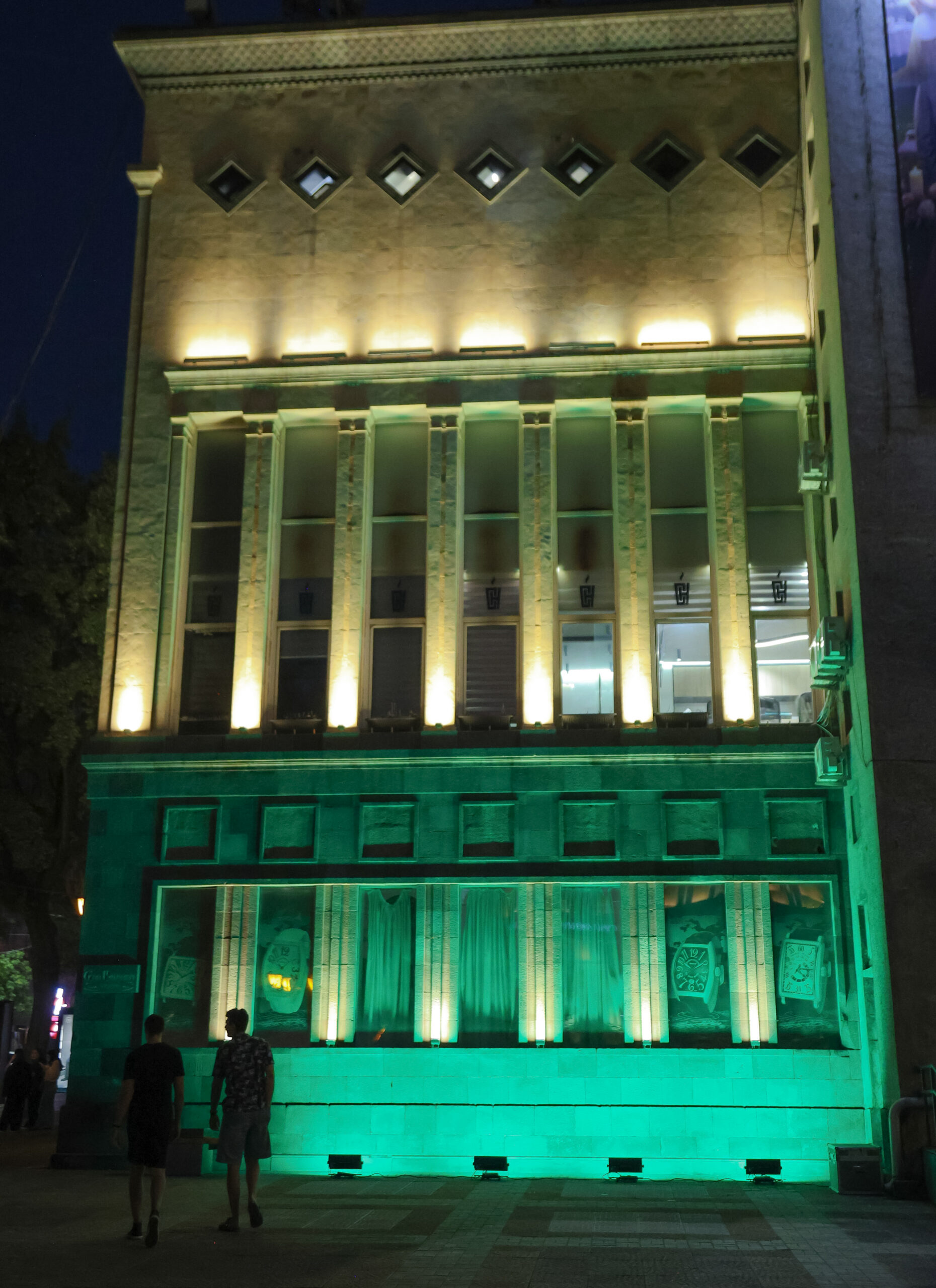
Moscow Cinema, Yerevan. Photo credit: Women's Resource Center
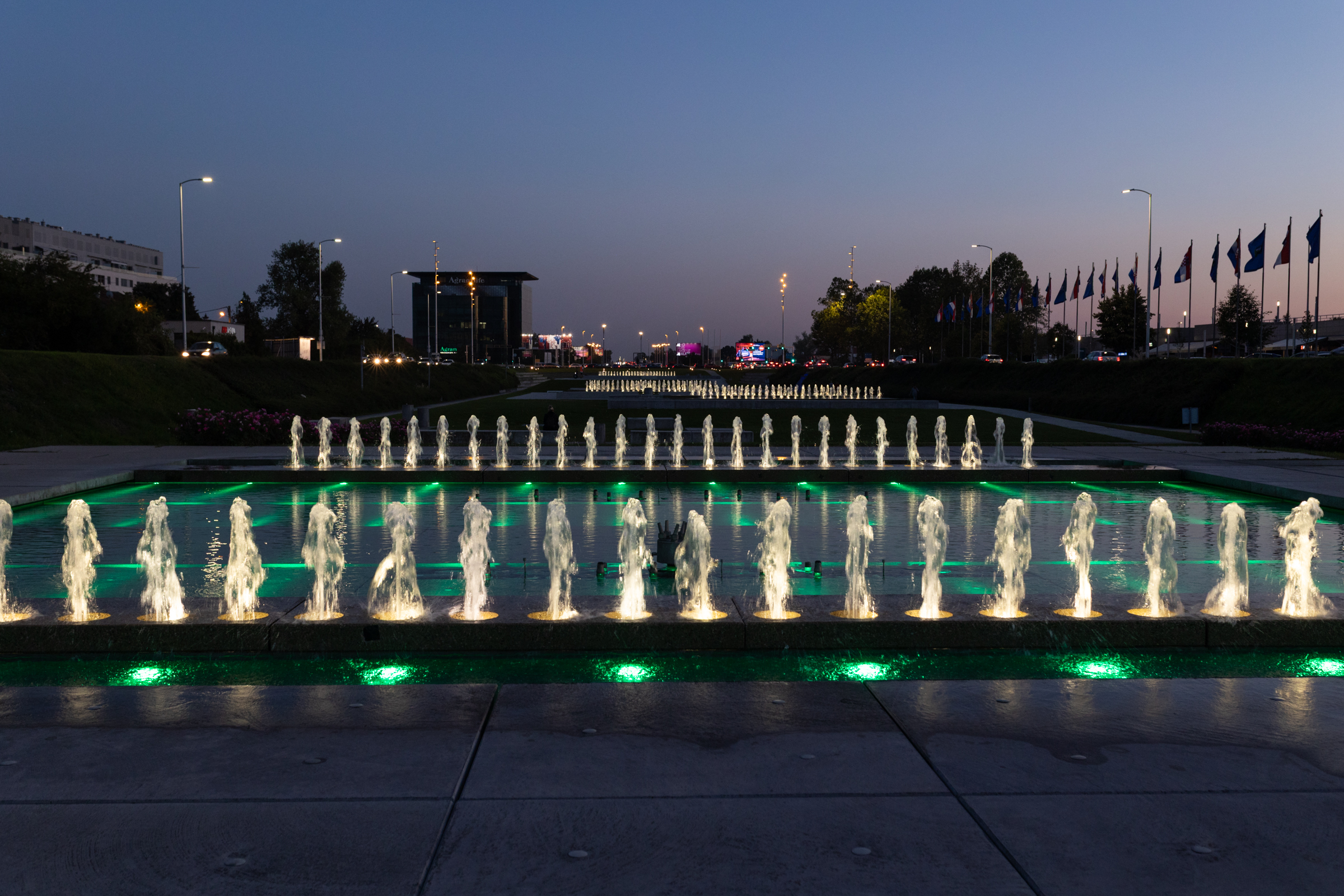
Zagreb Fountains, Zagreb. Photo credit: Inia Herencic
Páči sa vám naša práca?
PODPORTE NÁSKategórie
Témy